
Death Trip
Relating to death and finding the language to connect

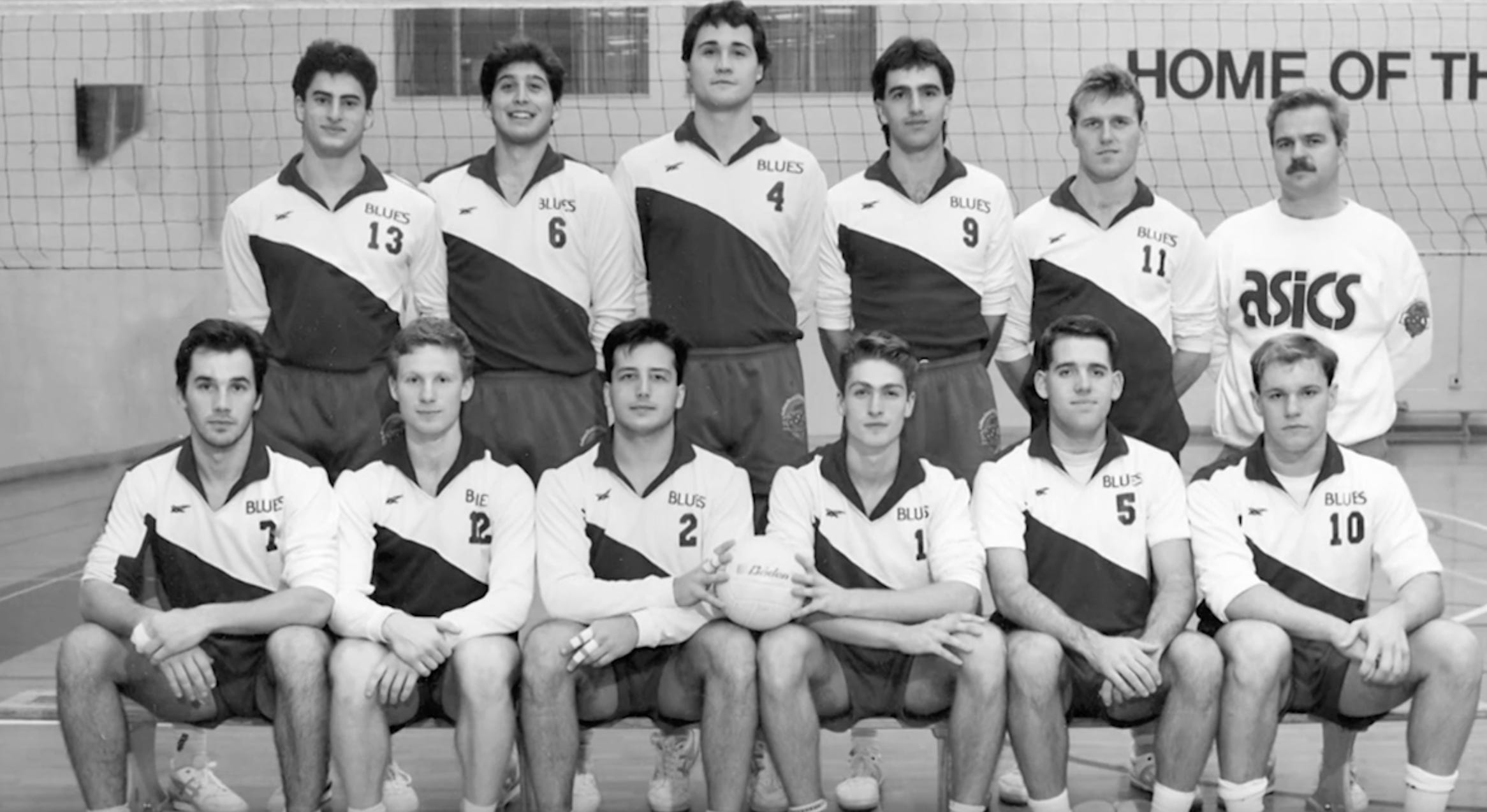
Last month, my friend Dan died of brain cancer. We played volleyball together thirty years ago at the University of Toronto in the city where I grew up and formed my ideas about life and death. Dan and I were teammates. It had been ten years since I’d seen Dan or the friends from Toronto who texted me to share the news of his death. During that time, I’ve moved all over the U.S. and faced my own death, which changed my perspective on dying.
I’ve often felt clumsy talking about death with people who have not flown so close to the sun. I want to care for their feelings, and I don’t know what they’re ready to hear. They might not want to know about death. I didn’t. So when I learned of Dan’s death by text and social media, I mostly said nothing. I kept my feelings to myself. “We’re all going to die.” That may be true, but it sounds hollow and flippant unless its truth has been felt.
I wasn’t sad about Dan’s death. I remembered Dan’s smile and the time he pissed on my car. I didn’t get it, and I chased him, furious, around a suburban Toronto parking lot. Another teammate, Rob, convinced me to let it go, and maybe it was a little bit funny. Dan had a sharp wit and an odd sense of humor, and he got confused when people didn’t get his jokes. Dan was sensitive, like me, though I worked harder to pretend I wasn’t. Would that be an appropriate memory to share?
“Was he relieved to die? What would we have talked about when he was dying? Was he ready? I wish we could have talked.” I kept my thoughts to myself as I privately remembered him. But then I found out Dan’s funeral was scheduled for a Saturday when I would be in the Toronto area to visit my in-laws. My father-in-law was recovering from his third heart attack. We hadn’t seen him for two years
At the Seattle airport, I made my way with my wife and two teenage children to the gate for our flight to Toronto. On the long escalator ride up from the train to the terminal, I heard a woman scream and turned back to see a man tumbling backward down the sharp steel escalator stairs. He seemed to fall forever. When he came to rest, his feet were two steps higher than his head, and he couldn’t get up. The escalator kept moving, carrying his body inevitably upward toward the comb. I remembered a story my mother told me as a child about a famous actress who died, strangled by her scarf when it was sucked under the teeth of an escalator. When I reached the top, I put my bag to the side and ran down the escalator to reach the fallen man.
His eyes were spiraling in shock. “Sir! Hold on to my hands!” I said to him loudly, piercing the trauma to get his attention. He reached his hands out to me. I lifted and hauled him to his feet and helped him find his balance. He was heavy. He held my hands tightly. His hands were bigger than mine. When we reached the top, his wife and another traveler joined me to support the man as we walked him to a nearby seat.
The deep gashes across the man’s forehead, arms, and hands left pools of blood on the concrete airport floor. Once he was settled, I ran to the nearest gate and told the agent to call for medics. After I let the man know that help was coming, I saw the blood on my hands and pants and went to the restroom to clean up.
As I walked back to my family, I watched my daughter faint, seemingly in slow motion, from the sight of all the blood. For a moment, I didn’t believe it was happening. I saw her eyes flicker, her face turned pale, and the energy drained from her body. She sprawled forward onto the floor but didn’t drop her iced coffee. I helped her up and over to a nearby chair, and the blood returned slowly to her face. We gathered ourselves while waiting at the gate, wondering whether we were in a strange dream. We had survived a tempest.
When the medics arrived, they cleaned the floor and put a barrier around the man so no one would see while they treated his gruesome wounds. The flow of passenger traffic routed around the barricade as though nothing had happened. The chaos settled, and we boarded our flight to Toronto.
We arrived on a Thursday and drove from the suburbs of the airport to the suburbs of my wife’s parents’ home. They had built their dream home for retirement, with an elevator to shuttle my father-in-law between floors. A home base to receive family and friends and rest between their travels. My father-in-law was feeling better than he had in the weeks after his last heart attack but not well enough to exercise. He moved slowly, and his feet and ankles were swollen. We ate and talked as we sat around the dining room table and gazed out at the snow and winter trees that lined the Rouge River Valley. Relatives came to visit, and we visited relatives, shuffling between the homes of uncles, aunts, cousins, and siblings, all twenty minutes away from each other.
On Saturday, I left early from a family lunch and drove to Dan’s funeral in a suburb forty minutes away. Thirty-five minutes along eight-lane highways traveling from Markham, as far west as the airport, and then south to Mississauga. Toronto is surrounded by a horseshoe of suburbs connected by hungry highways. Endless concrete and steel, highways and high power lines and towers. Cars and trucks hurry their passengers to the next meal, wedding, or funeral. I listened to jazz on CIUT, the University of Toronto FM station, and soaked in the freedom of college radio. The music and scenery were out of tune.
Arriving at the funeral home, I realized I hadn’t been to a funeral since my grandmother died eighteen years ago. A month after my father-in-law’s first bypass surgery. Two weeks before my daughter was born. I didn’t know who I would see at the service, but I hadn’t seen any of these people for decades. Who was I now? Who was I to them then? Would I grieve appropriately? Returning to my hometown often triggered my pride and ego, eager to show that I had made something of myself.
There were always questions about how I was doing, what I was doing, and how my life was after heart surgery. What could I say? I counted down from ten before surgery and was out before I reached eight. I said goodbye before I went black, into nothingness. Where did I go? The doctors kept me just alive enough to save me. When I came back, my body was shattered. Who was I who inhabited the broken body? It was the same, but not the same I who counted down from ten. There was something permanent about me, but it had nothing to do with my shell. I prepared for death, then woke up barely alive. It wasn’t my time. Is it possible to communicate the depth of this history in a five-minute conversation?
I wasn’t sure I had the language to communicate the intimacy I felt with Dan, knowing that he faced the certainty of his death. I walked into the crowded room where Dan’s friends and family were gathered to remember him. The first two faces I saw were my friends and old teammates Marc and Daren, men I had known for over thirty years. We’ve stayed in touch, mostly over social media but also with the occasional text message or email update for U of T volleyball alumni. I was glad to see them, and they were glad to see me. I saw more familiar faces as I moved further into the room.
My thoughts, assumptions about myself, and whether I’d find common ground faded away, and I found myself hugging old friends and feeling connected. The feeling of intimacy continued as I moved further into the room and saw more people I knew. These were friends that Dan and I had in common, all from playing volleyball, and we hugged and remembered when we saw each other last and where our lives intersected with Dan’s.
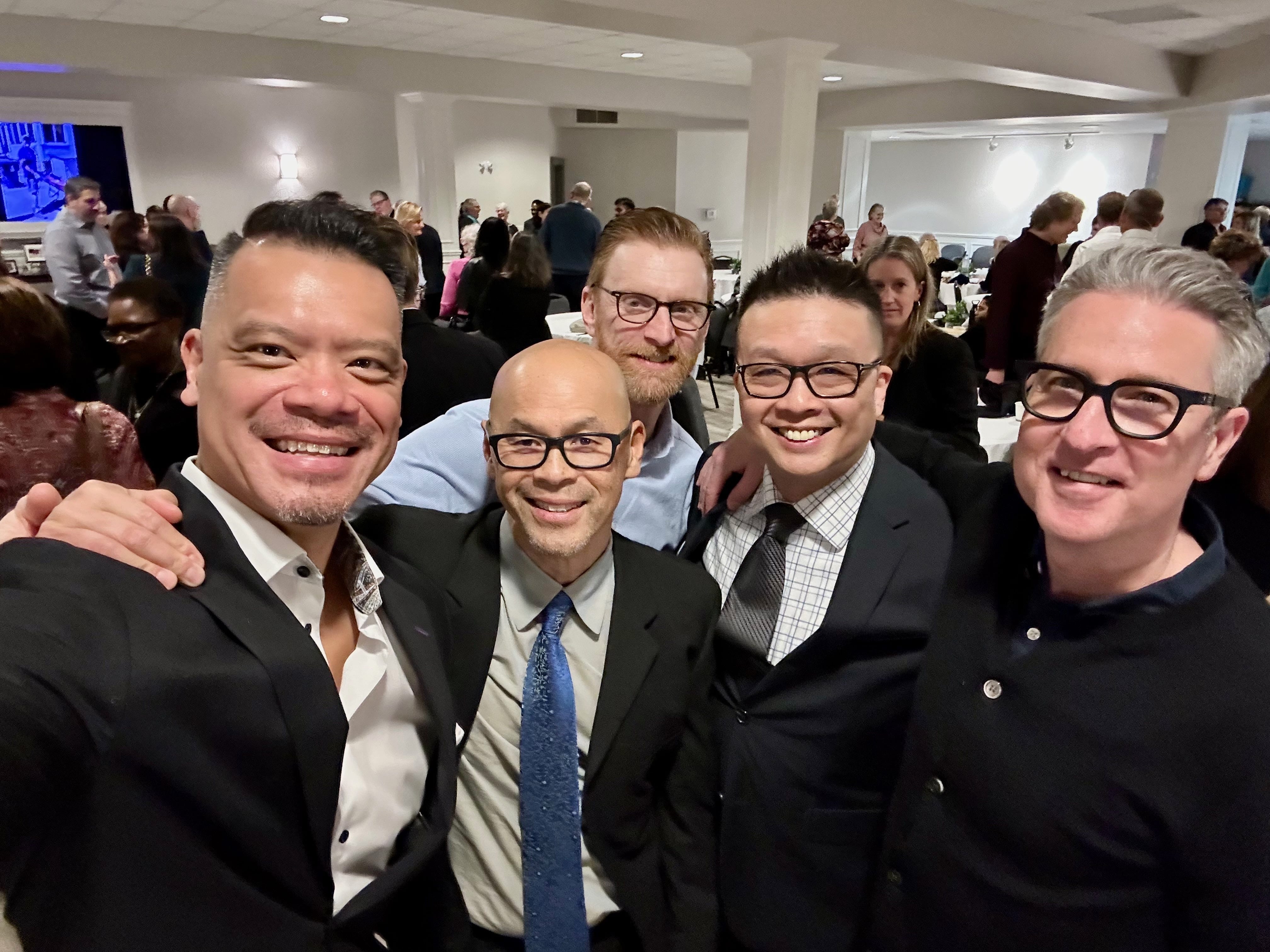
My friend Deon, a man I had known since high school and played volleyball with for a year at U of T, introduced me to his wife as “Ian.” I didn’t correct him. I didn’t think my name mattered much in that moment. I spoke with Dan’s close friend and beach volleyball partner, Lindsay. I had watched his life from afar on social media. His face was pained, struggling to show how it felt to know that his good friend was gone. He had spoken earlier at the funeral service, and several people passed by to thank him for his touching words. I told him the story of when Dan pissed on my car. He laughed. I told them I wasn’t sure whether that was an appropriate story for a funeral. He shrugged and smiled.
I drove back to Markham. I remembered the many drives to visit my grandparents in Orangeville as a boy. The same land before it was developed. Before all the highways. It seemed so vast when I was a boy. When I got back to my in-laws’ house, lunch was over.
We stayed and visited for two more days. I sat with my father-in-law at the dining room table in the morning and on the living room couch in the evening, ready to talk about death. I was interested, but he was not. Whenever I raised the subject, he pulled out his phone to check his email. At the end of each night, he patiently waited for everyone to retire so he could watch the Pakistani news channel on TV and play games on his phone. He worked his whole adult life to support his family. He had no need to justify or explain. He wanted to keep living.
Really well written Aaron! Dan was a great teammate, as were you. This reflection is very impactful. Bravo. 👏